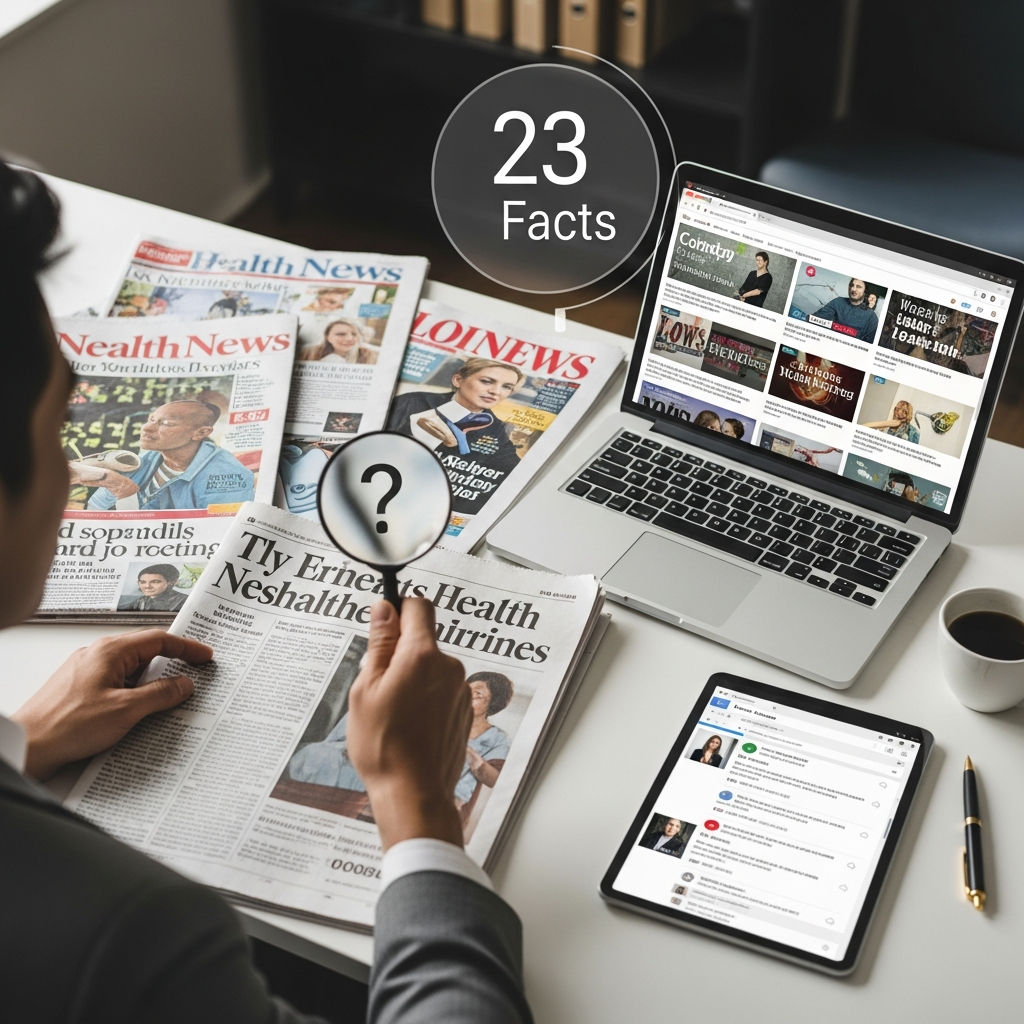
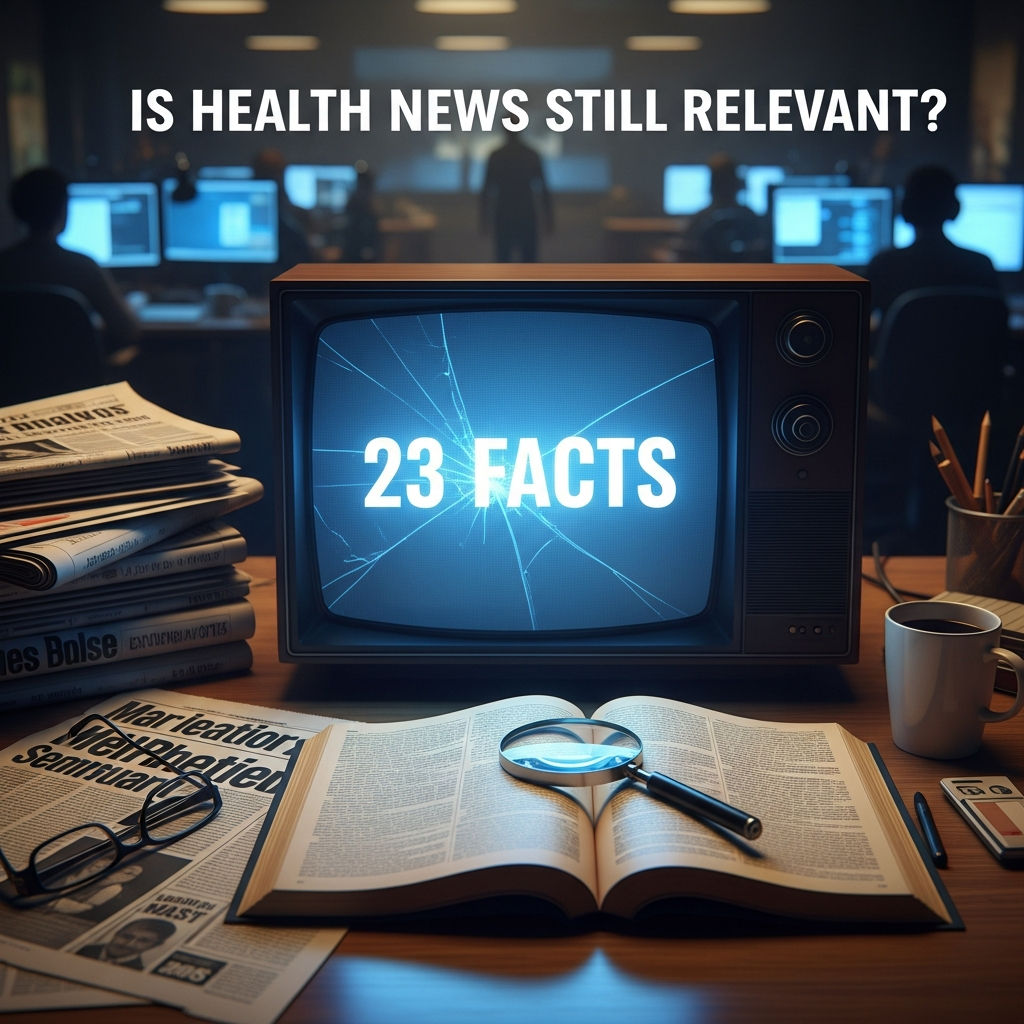
Is Health News Still Relevant? The Shift from Traditional Media to Digital Wellness

Hero Image

“`html


Is <a href="https://healthscover.xyz" target="_blank" rel="noopener" style="color: #2563eb; text-decoration: underline; font-weight: 500;">Health News</a> Still Relevant? 23 Facts

Is Health News Still Relevant? The Shift from Traditional Media to Digital Wellness

In an era where TikTok influencers offer medical advice and AI chatbots provide symptom diagnoses, a critical question arises: Is health news still relevant? For decades, medical journalism was the primary bridge between complex scientific research and the general public. Today, the landscape is fractured. While we have more access to information than ever before, the quality and reliability of that information are often under fire.

Despite the rise of social media “gurus,” health news remains a cornerstone of public safety, medical advancement, and individual wellness. However, its role has shifted from being a mere messenger to a much-needed filter for truth. To understand the current state of medical journalism, we must look at the data, the trends, and the psychology behind how we consume wellness information.

23 Essential Facts About the Relevance of Health News

To determine if health news still holds weight in your daily life, consider these 23 facts that highlight its impact, its challenges, and its future.

Fact 1: 72% of Internet Users Search for Health Information Online

According to the Pew Research Center, the vast majority of online adults have looked for health information online in the past year. This makes health news one of the most high-demand content categories on the internet.

Fact 2: Health News Drives Preventative Care

Studies show that when a major news outlet covers the importance of screenings (like colonoscopies or mammograms), there is a measurable spike in appointments. News doesn’t just inform; it triggers action.

Fact 3: The “Angelina Jolie Effect” is Real

When high-profile health news breaks—such as Angelina Jolie’s decision to undergo a preventive mastectomy—public awareness regarding genetic testing (BRCA1/2) increases significantly, proving the power of news narratives.

Fact 4: Journalists Translate Medical Jargon

The average medical journal article is written for PhDs and MDs. Health news serves the vital function of “translating” this complex data into actionable advice that the average person can understand.

Fact 5: Misinformation Spreads 6x Faster Than Truth

A MIT study found that false news travels significantly faster than the truth. This makes professional health journalism more relevant than ever as a necessary counter-balance to viral myths.

Fact 6: Health News Influences Public Policy

Investigative health reporting often leads to changes in law. Reports on the opioid crisis, for example, forced legislative changes and increased funding for addiction recovery services.

Fact 7: Real-Time Tracking of Disease Outbreaks

During the COVID-19 pandemic and the subsequent Mpox outbreaks, health news was the primary vehicle for real-time updates on safety protocols, vaccine availability, and transmission rates.

Fact 8: The Rise of “Health Influencers” Complicates the News

Many people now receive “news” from influencers who lack medical degrees. This has created a “relevance gap” where traditional news outlets must work harder to capture the attention of younger demographics.

Fact 9: News Coverage Impacts Mental Health Awareness

Increased reporting on anxiety, depression, and burnout has helped destigmatize mental health issues, leading to more people seeking professional help than in previous decades.

Fact 10: FDA Approvals Depend on Media Visibility

When the FDA approves a new drug, health news outlets provide the context regarding side effects, costs, and availability that the official government press releases often lack.

Fact 11: Nutrition Trends are Driven by Headlines

From the Keto diet to intermittent fasting, most modern nutrition trends began as niche scientific studies that gained mainstream relevance through health news reporting.

Fact 12: Local Health News is Dwindling

As local newspapers close, “health deserts” are forming where residents lack information about local water quality, clinic availability, and regional disease spikes.
Content Illustration

Fact 13: The “Clickbait” Problem Erodes Trust

Unfortunately, many health news sites use sensationalist headlines (e.g., “This One Fruit Cures Cancer”) to drive traffic, which has led to a general decline in trust toward medical journalism.

Fact 14: Peer-Reviewed Studies are the Gold Standard

Relevant health news is almost always based on peer-reviewed research. If a “news” story doesn’t cite a study from a reputable journal (like The Lancet or JAMA), its relevance is questionable.

Fact 15: Health News Helps Patient Advocacy

Empowered patients use health news to discuss new treatment options with their doctors, shifting the doctor-patient dynamic from paternalistic to collaborative.

Fact 16: Telehealth Popularity was Boosted by News

The rapid adoption of telehealth during the 2020s was facilitated by heavy media coverage explaining how to use these platforms and assuring patients of their security.

Fact 17: Global Health Literacy is Improving

Despite the noise, global health literacy is rising. People are becoming better at identifying reliable sources, largely due to educational efforts by major health news organizations.

Fact 18: Pharmaceutical Companies Spend Billions on PR

A significant portion of what looks like “health news” is actually sponsored content or PR-driven stories. Discerning readers must look for disclosures to find truly relevant, independent news.

Fact 19: Environmental Health is a New News Frontier

News connecting climate change to human health (such as heatstroke rates and respiratory issues from wildfires) is one of the fastest-growing sectors of medical journalism.

Fact 20: AI is Now Writing Health News

Many “content mills” use AI to churn out health articles. While efficient, these often lack the nuance and ethical considerations provided by human medical journalists.

Fact 21: Social Media Algorithms Create Echo Chambers

If you only follow certain “wellness” accounts, you may miss critical health news that contradicts your existing beliefs. Traditional news outlets remain relevant by offering a broader perspective.

Fact 22: Health News Can Prevent Scams

From debunking “miracle” supplements to exposing fraudulent wellness retreats, health journalism protects the public’s wallet as much as its physical wellbeing.

Fact 23: Human Stories Drive Relevance

The most relevant health news stories aren’t just about data; they are about people. Case studies of individuals overcoming rare diseases or navigating the healthcare system provide essential emotional context.

Why Health Literacy Depends on Quality Journalism

Health literacy is defined as the ability to obtain, process, and understand basic health information to make informed decisions. Without relevant health news, health literacy suffers. When news outlets prioritize accuracy over clicks, they provide a public service that saves lives. The relevance of health news today isn’t just about “knowing things”—it’s about survival in a world of information overload.

How to Identify Credible Health News Sources

  • Check the Author: Does the writer have a background in science or medical journalism? Do they consult MDs or PhDs?
  • Look for Citations: Reputable health news always links back to the original study or data source.
  • Watch for Hyperbole: If a headline sounds too good to be true, it probably is. Words like “Miracle,” “Cure,” and “Secret” are red flags.
  • Verify the Date: Medical science moves fast. A health news story from five years ago may be completely outdated.
  • Cross-Reference: Check if other major, reputable outlets (like Reuters Health, Mayo Clinic, or the BBC) are reporting the same story.

Conclusion: The Verdict on Relevance

So, is health news still relevant? Absolutely. While the medium has changed—moving from the morning paper to a smartphone notification—the need for vetted, evidence-based medical information has never been higher. In a world where anyone can claim to be a health expert, professional health news acts as the “immune system” of the internet, identifying and neutralizing harmful misinformation.

By staying informed through credible news sources, you empower yourself to make better decisions for your body, your family, and your community. The future of health news lies in its ability to adapt to digital formats while maintaining the rigorous standards of scientific integrity.

“`
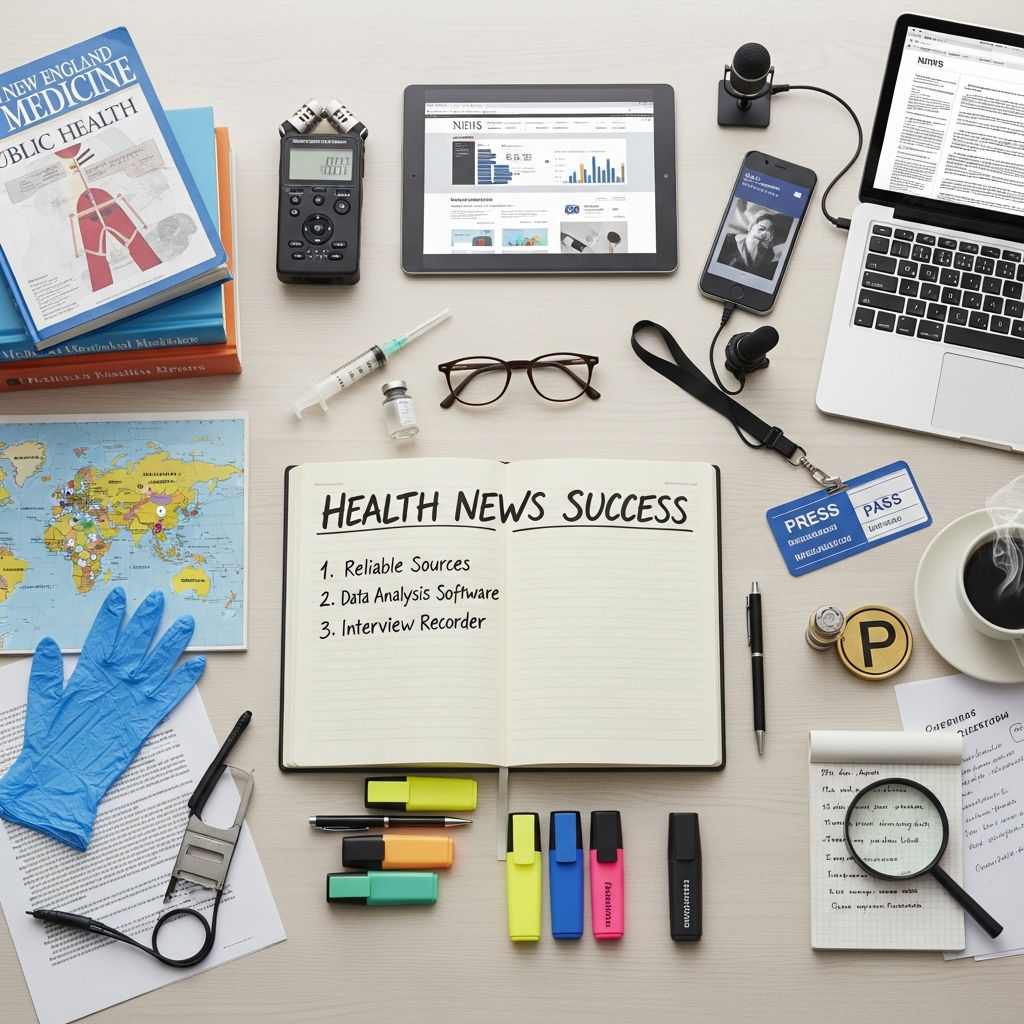
Top 16 Essential Tools for Health News Success

Hero Image

Top 16 Essential Tools for Health News Success

In the digital age, health news is one of the most competitive and scrutinized niches on the internet. With Google’s emphasis on E-E-A-T (Experience, Expertise, Authoritativeness, and Trustworthiness), health journalists and content creators must do more than just write well—they must be accurate, timely, and data-driven. Whether you are a solo health blogger or part of a major medical news desk, the right tech stack is your greatest asset.

From verifying complex clinical trials to optimizing content for “Your Money Your Life” (YMYL) search queries, success requires specialized tools. Here are the top 16 essential tools for health news success, categorized by their role in the editorial process.

1. PubMed & MEDLINE

Success in health news starts with the source. PubMed is the gold standard for accessing the MEDLINE database, containing millions of citations from biomedical literature. When a new health trend emerges, a health journalist’s first stop should be PubMed to find peer-reviewed studies. Understanding the primary research allows you to write with an authority that second-hand reporting simply cannot match.

2. Google Trends

Health news is often seasonal or event-driven. Google Trends allows you to track interest in specific medical conditions, medications, or wellness trends in real-time. For example, during flu season or a public health crisis, Google Trends helps you identify exactly what questions the public is asking, allowing you to tailor your headlines to meet current search demand.

3. SEMrush

SEO is the lifeblood of digital health news. SEMrush is an all-in-one suite that helps you identify high-volume health keywords, analyze your competitors’ top-performing medical articles, and track your rankings. Its “Keyword Magic Tool” is particularly useful for finding long-tail questions like “What are the side effects of [Drug Name]?” which are essential for capturing organic traffic.

4. AnswerThePublic

Patients often search for health information using conversational language. AnswerThePublic visualizes the questions and phrases people are typing into search engines. This tool is invaluable for health news creators looking to build comprehensive “FAQ” sections or “Explainers” that address specific patient anxieties and queries.

5. Cochrane Library

If you want to provide high-level medical evidence, the Cochrane Library is essential. It provides systematic reviews that combine multiple studies to reach a definitive conclusion. Referencing a Cochrane review in your health news article significantly boosts your credibility and helps you avoid “cherry-picking” single, potentially flawed studies.

6. Grammarly (with Medical Dictionary)

In health news, a typo isn’t just a mistake; it can be a liability. Grammarly helps maintain a professional tone, but more importantly, its premium versions allow for specialized terminology checks. Ensuring that complex drug names and anatomical terms are spelled correctly is vital for maintaining the trust of both readers and search engines.

7. Hemingway Editor

Medical jargon can be dense and alienating. The Hemingway Editor helps health writers simplify their prose. It highlights “passive voice” and “hard-to-read sentences,” ensuring that your health news is accessible to a lay audience. Remember: health news is most successful when it is easy to understand without sacrificing scientific accuracy.

8. Canva for Data Visualization

Health data—such as clinical trial percentages or epidemiological stats—can be dry. Canva allows journalists to create high-quality infographics, charts, and social media tiles quickly. Visualizing the “drop in infection rates” or “growth in vaccine adoption” makes your content more shareable and easier to digest.

9. Flourish

For more advanced data storytelling, Flourish is the go-to tool. It allows health news outlets to create interactive maps and racing bar charts. If you are reporting on global health trends or the spread of a virus, interactive visuals from Flourish can keep users on your page longer, which is a positive signal for SEO.

10. Connectively (formerly HARO)

Expert quotes are a requirement for high-authority health content. Connectively connects journalists with doctors, researchers, and nutritionists. Including a quote from a board-certified professional in your health news story fulfills the “Expertise” requirement of Google’s E-E-A-T guidelines, making your content more likely to rank.

11. Retraction Watch

Integrity is everything in health news. Retraction Watch is a database that tracks withdrawn scientific papers. Before you cite a study that seems “too good to be true,” check it against this tool. Reporting on a study that has been retracted can permanently damage your site’s reputation and search rankings.

12. Health Feedback

Fact-checking is a critical component of modern journalism. Health Feedback is a non-profit network of scientists who review influential health media coverage. Using this tool as a reference helps you stay informed about common health myths and ensures your own reporting stands up to scientific scrutiny.

13. BuzzSumo

To see what health topics are going viral on social media, use BuzzSumo. It helps you identify which health stories are getting the most engagement on Facebook, X (Twitter), and Pinterest. This insight allows you to “newsjack” popular topics or create counter-narratives to trending health misinformation.

14. Substack or Mailchimp

Success in health news requires a loyal audience. Tools like Substack or Mailchimp allow you to build a direct relationship with your readers. A weekly health news digest keeps your brand top-of-mind and provides a steady stream of “owned” traffic that isn’t dependent on social media algorithms.

15. Trello or Notion

Managing an editorial calendar is complex when dealing with embargoed studies and rolling news. Trello or Notion allows health news teams to organize their pipeline. You can track a story from the “Research” phase to “Expert Interview” to “SEO Review” and finally “Published,” ensuring no critical steps are missed.

16. Google Search Console

Finally, Google Search Console (GSC) is non-negotiable. It tells you exactly which health-related queries are bringing people to your site. More importantly, GSC alerts you to “Core Web Vitals” issues. In the health niche, if your page loads too slowly or has a poor user experience, readers will quickly bounce to a more professional-looking source.

Conclusion: Building a Trustworthy Health News Brand

Success in health news is a marathon, not a sprint. By integrating these 16 tools into your workflow, you ensure that your content is grounded in science, optimized for search engines, and presented in a way that resonates with your audience.

  • Research with PubMed and Cochrane to ensure accuracy.
  • Optimize with SEMrush and Google Trends to capture traffic.
  • Clarify with Hemingway and Canva to engage readers.
  • Verify with Retraction Watch and Health Feedback to maintain integrity.

In a world filled with “fake news” and medical misinformation, using these professional tools doesn’t just help you succeed—it helps you become a beacon of reliable information for people seeking to improve their health and well-being.

Top 47 Advanced Tools for Health News Success: The Ultimate Digital Toolkit

Hero Image

“`html


Top 47 Advanced Tools for <a href="https://healthsjournal.com" target="_blank" rel="noopener" style="color: #2563eb; text-decoration: underline; font-weight: 500;">Health News</a> Success

Top 47 Advanced Tools for Health News Success: The Ultimate Digital Toolkit

In the fast-paced world of health journalism and medical content marketing, the stakes are incredibly high. Unlike lifestyle or entertainment news, health news directly impacts public well-being. To succeed, creators must balance rapid reporting with uncompromising accuracy, all while navigating the complexities of Google’s E-E-A-T (Experience, Expertise, Authoritativeness, and Trustworthiness) guidelines.

Whether you are a medical journalist, a healthcare blogger, or a digital marketer, having the right tech stack is essential. Below, we have curated the top 47 advanced tools categorized to help you dominate the health news landscape, from deep-dive research to viral distribution.

Deep Research and Fact-Checking Tools

Accuracy is the foundation of health news. These tools help you access peer-reviewed data and verify medical claims before they go to print.

  • 1. PubMed: The gold standard for accessing biomedical literature and life science journals.
  • 2. Google Scholar: Essential for finding legal opinions, patents, and academic citations across a broad range of medical disciplines.
  • 3. The Cochrane Library: A collection of databases that contain different types of high-quality, independent evidence to inform healthcare decision-making.
  • 4. ClinicalTrials.gov: A database of privately and publicly funded clinical studies conducted around the world.
  • 5. Retraction Watch: An essential tool for verifying if a study you are citing has been retracted or flagged for scientific misconduct.
  • 6. Statista: Provides reliable data and statistics on the global healthcare market and pharmaceutical trends.
  • 7. WHO Global Health Observatory: The World Health Organization’s gateway to health-related statistics for more than 194 member states.
  • 8. UpToDate: An evidence-based clinical decision support resource used by healthcare practitioners to stay current.

Content Discovery and Trend Spotting

To lead the news cycle, you need to know what is trending before it hits the mainstream. These tools help you monitor the pulse of the health industry.

  • 9. Google Trends: Analyze the popularity of top search queries in the health sector across different regions.
  • 10. BuzzSumo: Find the most shared health content and identify key influencers in the medical space.
  • 11. Feedly: An AI-powered news aggregator that allows you to follow specific medical journals and health tech blogs in one place.
  • 12. Exploding Topics: Identifies rapidly growing health and wellness trends before they peak.
  • 13. NewsWhip: Predicts which health stories will go viral by monitoring real-time social engagement.
  • 14. SparkToro: Helps you understand what your target health audience reads, listens to, and follows.
  • 15. Talkwalker: A powerful social listening tool to track mentions of specific health conditions or brands across the web.

SEO and Keyword Research for Health News

Health SEO requires a specialized approach due to “Your Money or Your Life” (YMYL) content regulations. Use these tools to ensure your news ranks at the top.

  • 16. SEMrush: Comprehensive SEO suite for keyword research, site audits, and competitor analysis in the health niche.
  • 17. Ahrefs: Exceptional for backlink analysis and finding content gaps that your health news site can fill.
  • 18. AnswerThePublic: Visualizes the specific questions people are asking about health conditions and treatments.
  • 19. SurferSEO: Optimizes your health articles in real-time based on the top-ranking competitors.
  • 20. Clearscope: An AI-powered content optimization platform that ensures your medical writing is comprehensive.
  • 21. Google Search Console: Essential for monitoring your site’s health and seeing which medical queries drive traffic.
  • 22. Yoast SEO: The go-to WordPress plugin for managing on-page health SEO and schema markup.
  • 23. AlsoAsked: Provides insights into the “People Also Ask” boxes on Google for specific medical terms.

Medical Visualization and Data Design

Health data is often complex. These tools help you transform raw data into digestible infographics and charts.

Content Illustration
  • 24. BioRender: A specialized tool for creating professional, publication-quality scientific illustrations and medical diagrams.
  • 25. Canva: Perfect for creating quick, high-impact social media graphics and health posters.
  • 26. Flourish: Advanced data visualization tool for creating interactive maps and charts for health news stories.
  • 27. Datawrapper: Designed specifically for journalists to create simple, embeddable charts and maps.
  • 28. Piktochart: An easy-to-use infographic maker that offers templates for medical reports.
  • 29. Venngage: Offers specialized healthcare infographic templates to make medical data more engaging.

Editing, Tone, and Medical Compliance

Medical writing must be clear and free of jargon while remaining scientifically accurate. These tools polish your prose.

  • 30. Grammarly: Features a robust dictionary that handles most medical terminology and improves clarity.
  • 31. Hemingway Editor: Helps strip away complex jargon to make health news accessible to a general audience.
  • 32. ProWritingAid: Offers deep-dive reports on writing style and readability, crucial for health journalism.
  • 33. PerfectIt: A professional proofreading tool used by medical editors to ensure consistency in terminology.
  • 34. Scrivener: Ideal for long-form health reporting and organizing extensive research files.
  • 35. Readable: Measures the “grade level” of your health content to ensure it meets public health literacy standards.

Multimedia and Video Production

Video content is dominating the health space. These tools help you produce professional audio and video news updates.

  • 36. Otter.ai: Essential for transcribing interviews with doctors and medical researchers with high accuracy.
  • 37. Descript: An all-in-one video and podcast editor that allows you to edit audio by editing text.
  • 38. Adobe Premiere Rush: A mobile-friendly video editor for reporting health news on the go.
  • 39. Riverside.fm: High-quality remote recording for interviews with health experts globally.
  • 40. Loom: Great for creating quick “explainer” videos for complex medical procedures or news.

Distribution and Audience Engagement

Once the news is written, you need to get it in front of the right eyes. These tools handle distribution and community building.

  • 41. Substack: The leading platform for building a dedicated health news newsletter and monetizing expertise.
  • 42. Mailchimp: Advanced email marketing for segmenting audiences based on their health interests.
  • 43. Buffer: Schedules your health news updates across all major social media platforms.
  • 44. Hootsuite: Monitors social media conversations around health crises or trending medical news.
  • 45. Medium: A great secondary platform for republishing health commentary and reaching a broader intellectual audience.
  • 46. Typeform: Create engaging health surveys or patient feedback forms to generate original data.
  • 47. Disqus: An advanced comment system that helps foster a community around your health news articles.

Conclusion: Building Your Health News Powerhouse

Success in the health news sector is no longer just about who can write the best story; it is about who can leverage technology to provide the most accurate, visible, and engaging information. By integrating these 47 tools into your workflow, you can streamline your research, satisfy the most rigorous SEO requirements, and build a loyal audience that trusts your medical authority.

Remember, the goal of health news is to inform and empower. With this advanced toolkit, you are well-equipped to lead the conversation in the modern digital landscape.

“`

How to Master Health News in 16 Days: Your Ultimate Guide to Media Literacy

Hero Image

How to Master Health News in 16 Days: Your Ultimate Guide to Media Literacy

In an era where a single viral tweet can spark a global health trend, the ability to discern fact from fiction is a vital survival skill. Whether it is a new “miracle” supplement or a breakthrough in cancer research, the sheer volume of health news can be overwhelming. Most people react to headlines with either blind faith or cynical skepticism. However, there is a middle ground: health literacy.

Mastering health news doesn’t require a medical degree, but it does require a structured approach to consuming information. This 16-day roadmap is designed to transform you from a passive consumer into a critical analyst of health media. By the end of this period, you will be able to spot sensationalism, understand scientific methodology, and curate a feed that actually improves your well-being.

Phase 1: The Foundation of Critical Consumption (Days 1–4)

The first four days are dedicated to auditing your current habits and understanding the landscape of medical journalism.

Day 1: The Source Audit. Look at your social media feeds and bookmarks. Where do you get your health news? If your primary sources are influencers or tabloid headlines, you are at risk. Start following reputable institutions like the Mayo Clinic, the National Institutes of Health (NIH), and major medical journals.

Day 2: Identifying Clickbait. Health headlines are often designed to trigger fear or hope. Learn to spot “red flag” words such as “Miracle,” “Secret,” “Cure,” or “Doctors Hate This.” If a headline sounds too good to be true, it almost certainly is.

Day 3: Understanding Bias. Every source has a bias. Day 3 involves researching who funds the news outlets or studies you read. Is the “Coffee is Great for Your Heart” study funded by a coffee conglomerate? Recognizing the “Conflict of Interest” section in studies is a pro move for health literacy.

Day 4: Correlation vs. Causation. This is the most important concept in health news. Just because two things happen at the same time (ice cream sales and shark attacks both rise in summer) doesn’t mean one caused the other. When news says “Eating blueberries linked to longer life,” ask yourself: Is it the blueberries, or do people who eat blueberries also exercise more and smoke less?

Phase 2: Decoding the Science (Days 5–8)

To master health news, you must understand how scientific knowledge is produced. These four days focus on the “back end” of health reporting.

Day 5: The Hierarchy of Evidence. Not all studies are equal. Learn the difference between an animal study (done on mice), an observational study (tracking people over time), and a Randomized Controlled Trial (RCT). RCTs are the “gold standard” for determining if a treatment actually works.

Day 6: Sample Sizes and Demographics. A study of 10 people is a pilot, not a proof. On Day 6, practice looking for “n=” in health reports. If “n” is small, the results are less reliable. Also, check who was studied—men, women, or a specific age group? Results may not apply to everyone.

Day 7: The Peer-Review Process. Understand what “peer-reviewed” means. It means other experts in the field have vetted the research for errors. Be wary of “pre-prints,” which are studies released before this vetting process is complete, often seen during the COVID-19 pandemic.

Day 8: Reading the “Limitations” Section. Every good scientific paper has a section where the authors admit what they don’t know or what could have gone wrong. Journalists often skip this; you shouldn’t. Always look for what the study *didn’t* prove.

Phase 3: Building Your Information Toolkit (Days 9–12)

Now that you have the critical skills, you need the right tools to streamline your daily consumption.

Day 9: Setting Up RSS and Alerts. Use tools like Feedly or Google Alerts to track specific health topics (e.g., “Longevity Research” or “Type 2 Diabetes”). This moves you away from the “outrage-algorithm” of social media and toward a curated, intentional news feed.

Content Illustration

Day 10: Primary Source Navigation. Spend Day 10 familiarizing yourself with PubMed and Google Scholar. You don’t need to read the whole paper—the “Abstract” and “Conclusion” are often enough to tell you if the news article you read was accurate.

Day 11: Fact-Checking Resources. Bookmark sites like HealthNewsReview.org, Snopes (Health section), and Quackwatch. These organizations do the heavy lifting of debunking viral health myths so you don’t have to.

Day 12: Podcast and Newsletter Curation. Subscribe to high-quality health podcasts hosted by actual clinicians or researchers (e.g., The Peter Attia Drive or FoundMyFitness). These long-form formats allow for nuance that a 300-word news snippet cannot provide.

Phase 4: Synthesis and Application (Days 13–16)

The final four days are about putting your new skills into practice and ensuring you don’t fall back into old habits.

Day 13: Spotting the “Single Study” Trap. Science is a slow build, not a sudden “Eureka!” moment. On Day 13, practice looking for “Meta-analyses” or “Systematic Reviews.” These are papers that look at dozens of studies to see what the overall consensus is.

Day 14: Analyzing Visual Data. Graphs can be manipulated to look more dramatic than they are. Check the Y-axis. Does it start at zero? If not, a small change can look like a massive leap. Mastering health news means not being fooled by a steep line on a chart.

Day 15: Engaging with the Experts. Use platforms like LinkedIn or X (formerly Twitter) to follow lead researchers in fields you care about. Often, when a sensationalized news story breaks, these experts will post threads explaining the “real” story behind the headlines.

Day 16: Creating a 10-Minute Daily Routine. On your final day, synthesize everything into a habit. A “Master of Health News” might spend 10 minutes a day:

  • Scanning headlines from a trusted aggregator (like Medscape or ScienceDaily).
  • Clicking through to one primary source abstract to verify a claim.
  • Ignoring any “miracle” claims that aren’t backed by human RCTs.

Why Mastery Matters for Your Long-Term Health

Why go through this 16-day rigor? Because health misinformation isn’t just annoying; it’s dangerous. It leads people to spend thousands on useless supplements, delay life-saving medical treatments, or suffer from unnecessary “health anxiety” (cyberchondria).

When you master health news, you gain a sense of agency. You no longer feel like a victim of the latest “superfood” trend. Instead, you can have informed conversations with your doctor, make evidence-based lifestyle changes, and stay calm when the next “health scare” goes viral.

Summary Checklist for Success

  • Always check the source: Is it a peer-reviewed journal or a blog?
  • Look for the “n”: Large sample sizes are the backbone of credible research.
  • Check the funding: Follow the money to find the bias.
  • Beware of absolutes: Real science uses words like “suggests,” “may,” and “associated with,” rather than “proves” or “cures.”
  • Context is king: One study is a data point; a meta-analysis is a map.

By dedicating the next 16 days to these principles, you will develop a “crap detector” that serves you for a lifetime. Health literacy is the best medicine for the digital age. Start your Day 1 today by auditing your feed, and by Day 16, you’ll be the person your friends and family turn to for the truth about the latest health headlines.

16 Essential Tips to Improve Your Health and Longevity

Hero Image

“`html


16 Essential Tips to Improve Your Health

16 Essential Tips to Improve Your Health and Longevity

In today’s fast-paced world, the quest for better health can often feel overwhelming. With a constant barrage of new diets, fitness fads, and contradictory medical advice, knowing where to start is half the battle. However, true wellness isn’t about drastic overnight transformations; it’s about the cumulative power of small, sustainable habits. Improving your health is a marathon, not a sprint.

Whether you are looking to boost your energy levels, sharpen your mental clarity, or increase your lifespan, the following 16 essential tips offer a comprehensive roadmap to a healthier version of yourself. By focusing on nutrition, movement, mental well-being, and preventative care, you can create a lifestyle that supports long-term vitality.

1. Prioritize Consistent Hydration

Water is the foundation of every biological process in your body. From regulating body temperature to lubricating joints and flushing out toxins, staying hydrated is non-negotiable. Aim for at least eight 8-ounce glasses a day, but listen to your body’s specific needs based on your activity level and climate. If you find plain water boring, infuse it with cucumber, lemon, or mint to make hydration more enjoyable.

2. Focus on Whole, Single-Ingredient Foods

The simplest way to improve your diet is to eat foods that don’t have an ingredients list—because they are the ingredient. Focus your meals around vegetables, fruits, lean proteins, whole grains, and healthy fats. These nutrient-dense foods provide the vitamins and minerals your body needs to function optimally, unlike processed “convenience” foods that are often stripped of fiber and loaded with preservatives.

3. Master the Art of Portion Control

Even healthy foods can lead to weight gain if consumed in excess. A helpful tip is to use smaller plates and bowls to trick your brain into feeling satisfied with less. Aim to fill half your plate with non-starchy vegetables, one-quarter with lean protein, and one-quarter with complex carbohydrates. This balance ensures you get plenty of nutrients without overconsuming calories.

4. Reduce Added Sugar Intake

Excessive sugar consumption is linked to chronic conditions such as obesity, type 2 diabetes, and heart disease. While natural sugars in fruit are accompanied by fiber, “added sugars” found in sodas, pastries, and even many “healthy” yogurts cause insulin spikes and inflammation. Start by reading labels and gradually reducing the sugar you add to your coffee or tea.

5. Incorporate Daily Physical Movement

You don’t need a high-intensity gym session every day to be healthy. The key is consistent movement. Whether it’s a 30-minute brisk walk, a yoga session, or gardening, staying active keeps your cardiovascular system strong and your mood elevated. Aim for at least 150 minutes of moderate aerobic activity per week, as recommended by health experts.

6. Don’t Neglect Strength Training

As we age, we naturally lose muscle mass, which can slow down metabolism and lead to frailty. Incorporating strength training at least twice a week helps maintain bone density and muscle mass. You don’t need heavy weights; bodyweight exercises like push-ups, squats, and lunges are highly effective for building a functional, resilient body.

7. Prioritize Quality Sleep

Sleep is when your body repairs itself. Chronic sleep deprivation is linked to a weakened immune system, poor cognitive function, and increased stress levels. Aim for 7 to 9 hours of quality sleep per night. To improve your sleep hygiene, create a winding-down routine: dim the lights, put away electronic screens an hour before bed, and keep your bedroom cool and dark.

8. Manage Stress Through Mindfulness

Chronic stress triggers the release of cortisol, which can lead to weight gain and heart problems over time. Incorporating mindfulness practices—such as meditation, deep-breathing exercises, or journaling—can significantly lower stress levels. Even five minutes of focused breathing can reset your nervous system from “fight or flight” to “rest and digest.”

9. Support Your Gut Microbiome

Modern science increasingly points to the gut as our “second brain.” A healthy gut biome is essential for digestion, immunity, and even mental health. To support your gut, consume a variety of fiber-rich plants and fermented foods like yogurt, kefir, sauerkraut, and kimchi. These foods provide the probiotics and prebiotics your beneficial gut bacteria need to thrive.

Content Illustration

10. Practice Mindful Eating

How you eat is often as important as what you eat. Many of us eat while distracted by phones or television, which leads to overeating. Mindful eating involves slowing down, chewing thoroughly, and paying attention to satiety cues. By focusing on the flavors and textures of your food, you allow your brain to register when you are full, preventing unnecessary calorie intake.

11. Limit Sedentary Time (NEAT)

Non-Exercise Activity Thermogenesis (NEAT) refers to the energy expended for everything we do that is not sleeping, eating, or sports-like exercise. If you have a desk job, make a conscious effort to stand up every hour. Take the stairs instead of the elevator, or park further away from the entrance. These small movements add up to significant calorie burn and improved circulation over the day.

12. Foster Strong Social Connections

Health isn’t just physical; it’s social. Studies have shown that people with strong social ties live longer and have lower rates of depression. Make time for friends and family, join a community group, or volunteer. Meaningful human connection acts as a buffer against life’s stressors and provides a sense of purpose and belonging.

13. Schedule Regular Health Screenings

Prevention is always better than a cure. Regular check-ups with your doctor, dentist, and eye specialist can help catch potential issues before they become serious. Keep track of your blood pressure, cholesterol levels, and any necessary vaccinations. Being proactive about your health data allows you to make informed lifestyle adjustments.

14. Limit Alcohol Consumption

While an occasional glass of wine might have some social benefits, excessive alcohol consumption can damage the liver, increase cancer risk, and disrupt sleep. If you choose to drink, do so in moderation—defined as up to one drink per day for women and two for men. Consider “dry” days during the week to give your body a break and allow for better recovery.

15. Get Enough Vitamin D and Sunlight

Sunlight is a primary source of Vitamin D, which is crucial for bone health and immune function. Many people, especially those in northern climates or those who work indoors, are deficient. Try to get 10-15 minutes of direct sunlight daily. If that isn’t possible, talk to your healthcare provider about a Vitamin D supplement, especially during the winter months.

16. Embrace the “1% Better” Rule

The biggest enemy of health is the “all or nothing” mentality. If you miss a workout or eat an unhealthy meal, don’t throw away the whole day. Focus on being just 1% better tomorrow. Consistency is the foundation of change. By focusing on small, manageable improvements, you build the habits that eventually become a permanent part of your identity.

Conclusion: Taking the First Step

Improving your health doesn’t require a radical overhaul of your entire life in a single weekend. Instead, it requires the commitment to choose better options more often than not. Start by picking two or three tips from this list—perhaps drinking more water and going for a daily walk—and master them before moving on to the next.

Your health is your greatest asset. By investing time and effort into these sixteen essential areas, you aren’t just adding years to your life; you are adding life to your years. Remember, the best time to start was yesterday, but the second-best time is right now. Take that first step today toward a more vibrant, energized, and healthy future.

  • Stay Hydrated: Water is key to all bodily functions.
  • Eat Real Food: Focus on whole plants and proteins.
  • Keep Moving: Find activities you enjoy to stay active.
  • Rest Well: Prioritize 7-9 hours of sleep.
  • Think Long-term: Small habits lead to big results.

“`

External Reference: Health News

Mastering the Art of Health News: Why Quality Matters

Hero Image

“`html


16 Essential Tips to Improve Your <a href="https://healthscover.click" target="_blank" rel="noopener" style="color: #2563eb; text-decoration: underline; font-weight: 500;">Health News</a> Reporting

Mastering the Art of Health News: Why Quality Matters

In an era where information travels at the speed of light, health news has never been more influential—or more scrutinized. Whether you are a health journalist, a medical blogger, or a communications professional for a healthcare organization, the way you deliver medical information can directly impact public behavior and well-being. Improving your health news isn’t just about better writing; it’s about accuracy, ethics, and clarity.

Google’s E-E-A-T (Experience, Expertise, Authoritativeness, and Trustworthiness) guidelines place a high premium on medical content. To rank well and, more importantly, to serve your audience effectively, your reporting must be rigorous. Here are 16 essential tips to improve your health news and elevate your reporting standards.

1. Prioritize Peer-Reviewed Sources

The foundation of any credible health story is the source of the data. Always prioritize studies published in reputable, peer-reviewed medical journals such as The Lancet, JAMA, or The New England Journal of Medicine. Peer review ensures that independent experts have vetted the research methods and conclusions before publication.

2. Understand and Explain Study Design

Not all studies are created equal. To improve your health news, you must distinguish between different types of research for your audience:

  • Randomized Controlled Trials (RCTs): The gold standard for determining cause and effect.
  • Observational Studies: Useful for finding patterns but cannot prove one thing caused another.
  • Animal or Cell Studies: These are “pre-clinical” and often do not translate to human results.

3. Differentiate Between Correlation and Causation

One of the most common mistakes in health reporting is implying that because two things happened together, one caused the other. For example, if a study finds that people who drink coffee live longer, it doesn’t necessarily mean coffee is the cause. There could be other factors (confounders) involved. Always use cautious language like “associated with” or “linked to” instead of “causes.”

4. Avoid Sensationalist Headlines

Clickbait is the enemy of medical integrity. While you want readers to click on your article, a headline like “Cure for Cancer Found” when the study only involved mice is misleading and dangerous. Ensure your headline accurately reflects the scope and limitations of the findings.

5. Provide Context (The “So What?” Factor)

A new discovery doesn’t exist in a vacuum. To improve your health news, explain how new research fits into the existing body of knowledge. Is this a breakthrough that changes everything, or is it a small step in a long-term journey? Providing context helps readers understand the actual significance of the news.

6. Interview Independent Experts

Never rely solely on the authors of a study or a press release. Reach out to independent experts in the field who were not involved in the research. They can provide an objective critique of the study’s strengths and weaknesses and offer a balanced perspective that the study’s authors might miss.

7. Disclose Funding and Potential Conflicts of Interest

Transparency is vital for trust. If a study on the benefits of sugar was funded by the soda industry, your readers need to know. Always check the “Conflicts of Interest” section of a study and report any financial ties that could have influenced the research outcomes.

8. Explain Absolute vs. Relative Risk

Statistics can be easily manipulated to sound more dramatic than they are. If a new drug reduces the risk of a disease by 50%, that sounds huge (relative risk). However, if the risk drops from 2 in 1,000 to 1 in 1,000, the actual benefit is quite small (absolute risk). Always report the absolute risk to give readers a realistic sense of the impact.

9. Humanize the Story with Patient Perspectives

While data is important, stories are what resonate with people. Whenever possible, include the perspective of a patient or someone directly affected by the health issue. This adds an emotional layer to the story and helps readers understand the real-world implications of the medical news.

Content Illustration

10. Use Plain Language and Avoid Jargon

Medical terminology can be a barrier to understanding. To improve your health news, “translate” complex terms into plain English. Instead of “myocardial infarction,” use “heart attack.” Instead of “hypertension,” use “high blood pressure.” Your goal is to make the information accessible to everyone, regardless of their scientific background.

11. Fact-Check Rigorously

In health reporting, a small typo can lead to a major medical error. Double-check drug dosages, names of medical conditions, and statistical data. Use a multi-layered fact-checking process to ensure that every claim in your article is backed by evidence.

12. Address the Limitations of the Research

No study is perfect. Every piece of research has limitations—perhaps the sample size was too small, the duration was too short, or the participants were not diverse. Disclosing these limitations doesn’t weaken your story; it builds credibility by showing you are providing a complete and honest picture.

13. Incorporate High-Quality Visual Aids

Complex health data is often easier to understand when presented visually. Use infographics, charts, and diagrams to illustrate trends, biological processes, or statistical comparisons. Ensure these visuals are clearly labeled and cited appropriately.

14. Stay Updated on Medical Guidelines

Health news is a fast-moving field. What was considered best practice five years ago might be outdated today. Follow organizations like the CDC, WHO, and professional medical societies to stay current on the latest clinical guidelines and public health recommendations.

15. Optimize for SEO with Integrity

To ensure your health news reaches those who need it, you must use Search Engine Optimization (SEO) effectively.

  • Use Semantic Keywords: Include terms related to your primary topic (e.g., “clinical trial results,” “public health impact”).
  • Meta Descriptions: Write compelling, accurate summaries for search results.
  • Alt Text: Use descriptive alt text for images to improve accessibility and image search ranking.

However, never sacrifice accuracy for a keyword. The truth is your first priority.

16. Encourage Critical Thinking and Actionable Steps

Conclude your health news by empowering your readers. Encourage them to discuss the information with their own doctors. Provide actionable “next steps,” such as questions to ask a healthcare provider or links to reliable resources for further reading. This moves the reader from a passive consumer to an active participant in their own health.

Final Thoughts on Improving Health News

Reporting on health and medicine is a significant responsibility. By following these 16 tips, you can transform your health news from simple reporting into a valuable service for your community. High-quality health journalism clears the fog of misinformation, fosters public trust, and ultimately contributes to a healthier, better-informed society.

Remember: In the world of health news, being first is good, but being right is essential.

“`

Why Accurate Health News Matters More Than Ever

Hero Image

Why Accurate Health News Matters More Than Ever

In an era defined by the rapid spread of information, the quality of health news has never been more critical. Whether you are a health blogger, a journalist, or a medical professional sharing updates, the information you provide can directly influence public behavior, policy, and individual well-being. With the rise of “Your Money Your Life” (YMYL) content standards set by search engines like Google, the bar for health-related content is incredibly high.

Improving your health news involves more than just reporting facts; it requires a commitment to scientific literacy, ethical reporting, and clear communication. Misinformation in the health sector can lead to dangerous self-medication, unnecessary panic, or the dismissal of life-saving medical advice. To help you navigate this complex landscape, here are 16 essential tips to improve your health news and build a loyal, informed audience.

1. Prioritize Peer-Reviewed Primary Sources

The foundation of any reputable health news story is its source material. Always aim to reference peer-reviewed journals such as The Lancet, JAMA, or The New England Journal of Medicine. While press releases from universities are helpful starting points, they are often designed to highlight the most “exciting” aspects of a study. By reading the original research, you can verify the data for yourself and avoid the “telephone game” of scientific reporting.

2. Distinguish Between Correlation and Causation

One of the most common errors in health journalism is implying that because two things happen together, one caused the other. For example, a study might find that people who drink coffee live longer, but that doesn’t necessarily mean coffee is the cause of longevity; it could be that coffee drinkers also have higher incomes or better access to healthcare. Always clarify these distinctions to prevent misleading your readers.

3. Understand the Hierarchy of Evidence

Not all studies are created equal. To improve your health news, you must understand the difference between an observational study, a randomized controlled trial (RCT), and a meta-analysis.

  • Meta-analyses: The gold standard, as they review multiple studies.
  • RCTs: Highly reliable for determining cause and effect.
  • Animal or In-Vitro Studies: These are preliminary and should never be reported as a “breakthrough” for humans without significant caveats.

4. Vet Your Experts Rigorously

When seeking quotes or insights, ensure the expert has relevant credentials in the specific field you are covering. A cardiologist may not be the best source for a story on neurodegenerative diseases. Additionally, check for potential conflicts of interest. Does the expert receive funding from a pharmaceutical company that benefits from the study results? Transparency is key to maintaining trust.

5. Avoid Sensationalist “Clickbait” Headlines

In the world of SEO, headlines are vital, but in health news, accuracy must trump clicks. Phrases like “Miracle Cure,” “Scientific Breakthrough,” or “Everything You Knew About [X] Is Wrong” should be used with extreme caution. A responsible headline reflects the nuance of the study rather than exaggerating the results for the sake of a high click-through rate.

6. Simplify Complex Jargon Without Losing Meaning

Medical terminology can be a barrier to entry for the general public. Your job is to act as a translator. Use analogies and plain language to explain concepts like “epigenetics” or “cytokine storms.” However, be careful not to oversimplify to the point of inaccuracy. If you must use a complex term, define it immediately within the text.

7. Provide Context and “The Big Picture”

No single study exists in a vacuum. To improve your health news, explain how new findings fit into the existing body of research. Does this study confirm what we already knew, or does it challenge the current consensus? Providing context helps readers understand whether they should change their behavior or wait for more evidence.

8. Be Transparent About Funding and Conflicts of Interest

Always look at who funded the research you are reporting on. If a study claiming that sugar isn’t harmful is funded by the beverage industry, your readers deserve to know that. Disclosing these details builds your credibility as an objective reporter and allows readers to make their own informed judgments.

Content Illustration

9. Use Clear Data Visualization

Numbers can be overwhelming. Instead of listing percentages and p-values in long paragraphs, use charts, infographics, or bulleted lists to make the data digestible. Visual aids can help illustrate trends, such as the decline of a disease or the efficacy of a new vaccine, far more effectively than text alone.

10. Optimize for Google’s E-E-A-T Guidelines

For health news to rank well and reach a wide audience, it must adhere to Google’s Experience, Expertise, Authoritativeness, and Trustworthiness (E-E-A-T) standards.

  • Author Bylines: Include detailed bios of your writers.
  • Medical Review: If possible, have your content reviewed by a medical professional and state this clearly on the page.
  • Backlinks: Link to authoritative government (.gov) and educational (.edu) websites.

11. Include Actionable, Safe Takeaways

Readers often look at health news to find out how it affects their lives. Provide a “What This Means for You” section at the end of your articles. Ensure these takeaways are conservative and safe. Always include a disclaimer that news reports are not a substitute for professional medical advice, diagnosis, or treatment.

12. Report on Study Limitations

Every scientific study has limitations, whether it’s a small sample size, a short duration, or a lack of diversity among participants. Highlighting these flaws doesn’t weaken your story; it strengthens your integrity. It shows your audience that you are providing a balanced view rather than just pushing a narrative.

13. Address Diversity and Representation

Health news often overlooks how medical conditions or treatments affect different demographics. When reporting on a study, check the participant pool. If the study only included men, the results may not apply to women. Discussing these gaps helps promote health equity and ensures that all readers find value in your reporting.

14. Maintain a Balanced and Calm Tone

Health news can often be frightening. Whether it’s an emerging virus or a new environmental toxin, your tone should be informative rather than alarmist. Avoid using emotive language that could incite unnecessary fear. Stick to the facts and provide practical steps for mitigation where applicable.

15. Regularly Update Your Content

Medical science moves fast. What was true two years ago might be debunked today. To maintain a high-quality health news outlet, you must treat your articles as “living documents.” Periodically review your top-performing health articles and update them with the latest research and guidelines to ensure your audience is never misled by outdated info.

16. Engage with Reader Questions and Feedback

The final step in improving your health news is to foster a two-way conversation. Use comments or social media to see what your readers are confused about. If multiple people ask the same question, it’s a sign that your reporting needs more clarity. Engaging with your audience shows that you are committed to their health literacy and builds a community based on trust.

Conclusion

Improving the quality of health news is a continuous journey of learning and refinement. By moving away from sensationalism and leaning into scientific rigor, you contribute to a more informed and healthier society. These 16 tips provide a roadmap for creating content that is not only SEO-friendly but also ethically sound and genuinely helpful. In the world of health journalism, your greatest asset is your credibility—guard it by prioritizing accuracy above all else.

48 Secret Tips to Improve Your Health: The Ultimate Guide to Modern Wellness

Hero Image

48 Secret Tips to Improve Your Health: The Ultimate Guide to Modern Wellness

In an era where health news is often dominated by fad diets and expensive supplements, finding actionable, evidence-based advice can feel like searching for a needle in a haystack. However, true wellness isn’t found in a single “superfood” or a miracle pill. It is the result of small, consistent habits that compound over time. To help you navigate the noise, we have compiled 48 “secret” tips—ranging from biohacking techniques to ancient wisdom—that will drastically improve your physical and mental health.

Nutrition and Metabolic Health Secrets

How you fuel your body is the foundation of your longevity. These tips go beyond simply “eating your vegetables” to look at how and when you consume nutrients.

  • 1. Drink Water Before Coffee: Rehydrate your brain after eight hours of sleep before introducing caffeine.
  • 2. Prioritize Bitter Foods: Arugula, dandelion greens, and ginger stimulate bile production, aiding digestion.
  • 3. The “Chew 30” Rule: Chewing each bite 30 times improves nutrient absorption and prevents overeating.
  • 4. Apple Cider Vinegar (ACV) Pre-meal: One tablespoon of ACV in water before a carb-heavy meal can flatten your glucose spike.
  • 5. Eat the Rainbow: Aim for five different colors of plants daily to ensure a diverse phytonutrient profile.
  • 6. Front-Load Your Calories: Eat a larger breakfast and a smaller dinner to align with your body’s circadian metabolic rhythm.
  • 7. Incorporate Fermented Foods: Sauerkraut, kimchi, and kefir feed the gut microbiome, which controls 70% of your immune system.
  • 8. Use Herbs as Medicine: Turmeric, cinnamon, and oregano have potent anti-inflammatory properties.
  • 9. Limit Liquid Calories: Sodas and juices bypass satiety signals, leading to insulin resistance.
  • 10. Supplement with Magnesium: Most adults are deficient; magnesium glycinate can improve sleep and reduce muscle tension.
  • 11. Sprout Your Grains: Sprouting reduces phytic acid, making minerals more bioavailable.
  • 12. Quality over Quantity in Fats: Swap seed oils (canola, soybean) for stable fats like avocado oil, olive oil, or grass-fed butter.

Physical Activity and Movement Hacks

You don’t need a marathon to be healthy. Movement should be integrated into your lifestyle rather than treated as a chore.

  • 13. The 10-Minute Post-Meal Walk: A short walk after eating significantly lowers blood sugar levels.
  • 14. Embrace NEAT: Non-Exercise Activity Thermogenesis (fidgeting, cleaning, standing) burns more calories over time than a 1-hour gym session.
  • 15. Zone 2 Training: Spend 150 minutes a week in a steady state where you can still hold a conversation to improve mitochondrial health.
  • 16. Resistance Training Twice Weekly: Muscle is “longevity currency.” Preserving it prevents metabolic decline as you age.
  • 17. Focus on Mobility, Not Just Stretching: Active range-of-motion exercises protect your joints better than static stretching.
  • 18. Practice Nasal Breathing: Breathing through your nose increases nitric oxide production and improves oxygen uptake.
  • 19. Grounding (Earthing): Walking barefoot on grass or sand may reduce inflammation by neutralizing free radicals.
  • 20. The 20-20-20 Rule: To prevent eye strain, every 20 minutes, look at something 20 feet away for 20 seconds.
  • 21. Take the Stairs: It’s a “secret” HIIT workout that strengthens your heart and glutes.
  • 22. Standing Desk Intervals: Alternate between sitting and standing every 30 minutes to improve circulation.
  • 23. Improve Your Grip Strength: Science shows grip strength is a key predictor of overall biological age.
  • 24. Balance Exercises: Stand on one leg while brushing your teeth to improve proprioception and prevent falls later in life.

Mental Health and Cognitive Optimization

A healthy body is useless without a clear, resilient mind. These tips focus on the “software” of your health.

Content Illustration
  • 25. View Morning Sunlight: Getting 10 minutes of sun in your eyes within an hour of waking sets your cortisol and melatonin cycles.
  • 26. Box Breathing: Inhale for 4, hold for 4, exhale for 4, hold for 4. This instantly hacks your parasympathetic nervous system.
  • 27. Digital Detox Hour: Turn off all screens 60 minutes before bed to allow your brain to enter “alpha” waves.
  • 28. Gratitude Journaling: Writing down three things you’re grateful for rewires the brain to look for positives rather than threats.
  • 29. Forest Bathing (Shinrin-yoku): Spending time in nature reduces levels of the stress hormone cortisol.
  • 30. Limit News Consumption: Constant exposure to “outrage news” keeps your body in a state of chronic low-level fight-or-flight.
  • 31. Learn a New Skill: Challenging your brain builds “cognitive reserve,” delaying the onset of dementia.
  • 32. Practice Forgiveness: Holding onto grudges maintains high blood pressure; letting go is a physical health intervention.
  • 33. Cold Exposure: Ending your shower with 30 seconds of cold water boosts dopamine and strengthens the immune system.
  • 34. Sauna Sessions: Regular heat exposure mimics exercise and helps detoxify heavy metals through sweat.
  • 35. Social Connection: Loneliness is as damaging to health as smoking 15 cigarettes a day. Call a friend today.
  • 36. Say “No” More Often: Over-committing is a recipe for adrenal fatigue. Protect your peace.

Sleep and Environmental Health

Your environment dictates your biology. Creating a sanctuary for recovery is the final piece of the puzzle.

  • 37. Keep Your Bedroom Cool: The ideal temperature for deep sleep is roughly 65°F (18°C).
  • 38. Use Blackout Curtains: Even a tiny amount of light can disrupt your circadian rhythm.
  • 39. Stop Caffeine by 2 PM: Caffeine has a half-life of 6 hours; it stays in your system much longer than you think.
  • 40. Weighted Blankets: These provide deep pressure stimulation, which can reduce anxiety and improve sleep quality.
  • 41. Filter Your Water: Use a high-quality filter to remove fluoride, chlorine, and microplastics from your drinking water.
  • 42. Remove Plastics from the Kitchen: Avoid heating food in plastic containers to prevent endocrine-disrupting chemicals from leaching.
  • 43. Get Indoor Plants: Snake plants and peace lilies act as natural air purifiers, removing toxins like formaldehyde.
  • 44. Floss Every Night: Oral health is directly linked to heart health; gum disease bacteria can enter the bloodstream.
  • 45. Wear Sunscreen Daily: Prevention of UV damage is the most effective anti-aging strategy available.
  • 46. Regular Health Screenings: Early detection is the best cure. Don’t skip your annual blood work.
  • 47. Consistency Over Intensity: It is better to walk for 20 minutes every day than to run for two hours once a month.
  • 48. Listen to Your Body: If you are exhausted, rest. Your body’s signals are more accurate than any fitness tracker.

Conclusion: The Path to Total Wellness

Improving your health doesn’t require a total lifestyle overhaul overnight. The secret to success lies in the “aggregation of marginal gains.” If you choose just three or four of these tips to implement this week, you will begin to notice a shift in your energy levels, mental clarity, and physical resilience.

The latest health news confirms that our bodies are incredibly adaptable. By providing the right inputs—sunlight, movement, whole foods, and rest—you can unlock a level of vitality you may have thought was lost. Start today, stay consistent, and remember that your health is your greatest wealth.

1 2 3 8