
“`html
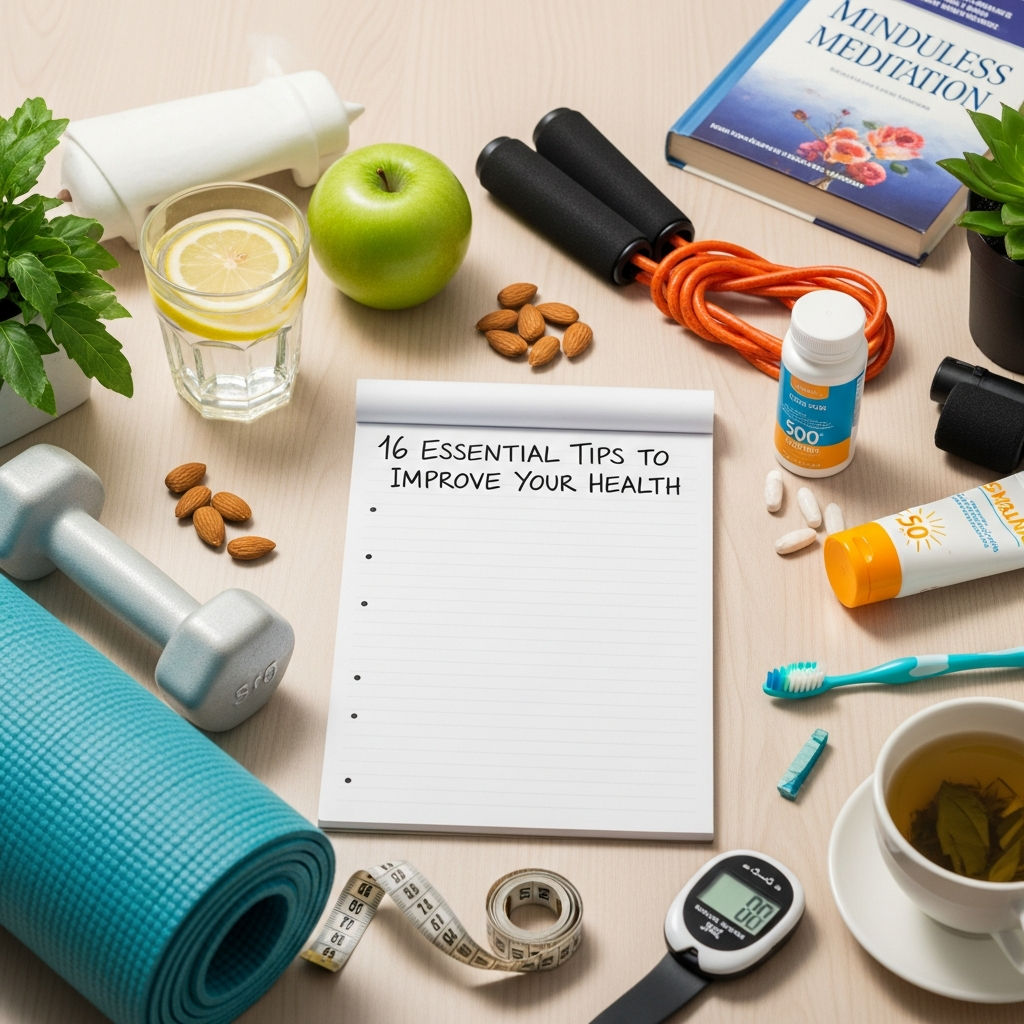
16 Essential Tips to Improve Your Health and Longevity
In today’s fast-paced world, the quest for better health can often feel overwhelming. With a constant barrage of new diets, fitness fads, and contradictory medical advice, knowing where to start is half the battle. However, true wellness isn’t about drastic overnight transformations; it’s about the cumulative power of small, sustainable habits. Improving your health is a marathon, not a sprint.
Whether you are looking to boost your energy levels, sharpen your mental clarity, or increase your lifespan, the following 16 essential tips offer a comprehensive roadmap to a healthier version of yourself. By focusing on nutrition, movement, mental well-being, and preventative care, you can create a lifestyle that supports long-term vitality.
1. Prioritize Consistent Hydration
Water is the foundation of every biological process in your body. From regulating body temperature to lubricating joints and flushing out toxins, staying hydrated is non-negotiable. Aim for at least eight 8-ounce glasses a day, but listen to your body’s specific needs based on your activity level and climate. If you find plain water boring, infuse it with cucumber, lemon, or mint to make hydration more enjoyable.
2. Focus on Whole, Single-Ingredient Foods
The simplest way to improve your diet is to eat foods that don’t have an ingredients list—because they are the ingredient. Focus your meals around vegetables, fruits, lean proteins, whole grains, and healthy fats. These nutrient-dense foods provide the vitamins and minerals your body needs to function optimally, unlike processed “convenience” foods that are often stripped of fiber and loaded with preservatives.
3. Master the Art of Portion Control
Even healthy foods can lead to weight gain if consumed in excess. A helpful tip is to use smaller plates and bowls to trick your brain into feeling satisfied with less. Aim to fill half your plate with non-starchy vegetables, one-quarter with lean protein, and one-quarter with complex carbohydrates. This balance ensures you get plenty of nutrients without overconsuming calories.
4. Reduce Added Sugar Intake
Excessive sugar consumption is linked to chronic conditions such as obesity, type 2 diabetes, and heart disease. While natural sugars in fruit are accompanied by fiber, “added sugars” found in sodas, pastries, and even many “healthy” yogurts cause insulin spikes and inflammation. Start by reading labels and gradually reducing the sugar you add to your coffee or tea.
5. Incorporate Daily Physical Movement
You don’t need a high-intensity gym session every day to be healthy. The key is consistent movement. Whether it’s a 30-minute brisk walk, a yoga session, or gardening, staying active keeps your cardiovascular system strong and your mood elevated. Aim for at least 150 minutes of moderate aerobic activity per week, as recommended by health experts.
6. Don’t Neglect Strength Training
As we age, we naturally lose muscle mass, which can slow down metabolism and lead to frailty. Incorporating strength training at least twice a week helps maintain bone density and muscle mass. You don’t need heavy weights; bodyweight exercises like push-ups, squats, and lunges are highly effective for building a functional, resilient body.
7. Prioritize Quality Sleep
Sleep is when your body repairs itself. Chronic sleep deprivation is linked to a weakened immune system, poor cognitive function, and increased stress levels. Aim for 7 to 9 hours of quality sleep per night. To improve your sleep hygiene, create a winding-down routine: dim the lights, put away electronic screens an hour before bed, and keep your bedroom cool and dark.
8. Manage Stress Through Mindfulness
Chronic stress triggers the release of cortisol, which can lead to weight gain and heart problems over time. Incorporating mindfulness practices—such as meditation, deep-breathing exercises, or journaling—can significantly lower stress levels. Even five minutes of focused breathing can reset your nervous system from “fight or flight” to “rest and digest.”
9. Support Your Gut Microbiome
Modern science increasingly points to the gut as our “second brain.” A healthy gut biome is essential for digestion, immunity, and even mental health. To support your gut, consume a variety of fiber-rich plants and fermented foods like yogurt, kefir, sauerkraut, and kimchi. These foods provide the probiotics and prebiotics your beneficial gut bacteria need to thrive.

10. Practice Mindful Eating
How you eat is often as important as what you eat. Many of us eat while distracted by phones or television, which leads to overeating. Mindful eating involves slowing down, chewing thoroughly, and paying attention to satiety cues. By focusing on the flavors and textures of your food, you allow your brain to register when you are full, preventing unnecessary calorie intake.
11. Limit Sedentary Time (NEAT)
Non-Exercise Activity Thermogenesis (NEAT) refers to the energy expended for everything we do that is not sleeping, eating, or sports-like exercise. If you have a desk job, make a conscious effort to stand up every hour. Take the stairs instead of the elevator, or park further away from the entrance. These small movements add up to significant calorie burn and improved circulation over the day.
12. Foster Strong Social Connections
Health isn’t just physical; it’s social. Studies have shown that people with strong social ties live longer and have lower rates of depression. Make time for friends and family, join a community group, or volunteer. Meaningful human connection acts as a buffer against life’s stressors and provides a sense of purpose and belonging.
13. Schedule Regular Health Screenings
Prevention is always better than a cure. Regular check-ups with your doctor, dentist, and eye specialist can help catch potential issues before they become serious. Keep track of your blood pressure, cholesterol levels, and any necessary vaccinations. Being proactive about your health data allows you to make informed lifestyle adjustments.
14. Limit Alcohol Consumption
While an occasional glass of wine might have some social benefits, excessive alcohol consumption can damage the liver, increase cancer risk, and disrupt sleep. If you choose to drink, do so in moderation—defined as up to one drink per day for women and two for men. Consider “dry” days during the week to give your body a break and allow for better recovery.
15. Get Enough Vitamin D and Sunlight
Sunlight is a primary source of Vitamin D, which is crucial for bone health and immune function. Many people, especially those in northern climates or those who work indoors, are deficient. Try to get 10-15 minutes of direct sunlight daily. If that isn’t possible, talk to your healthcare provider about a Vitamin D supplement, especially during the winter months.
16. Embrace the “1% Better” Rule
The biggest enemy of health is the “all or nothing” mentality. If you miss a workout or eat an unhealthy meal, don’t throw away the whole day. Focus on being just 1% better tomorrow. Consistency is the foundation of change. By focusing on small, manageable improvements, you build the habits that eventually become a permanent part of your identity.
Conclusion: Taking the First Step
Improving your health doesn’t require a radical overhaul of your entire life in a single weekend. Instead, it requires the commitment to choose better options more often than not. Start by picking two or three tips from this list—perhaps drinking more water and going for a daily walk—and master them before moving on to the next.
Your health is your greatest asset. By investing time and effort into these sixteen essential areas, you aren’t just adding years to your life; you are adding life to your years. Remember, the best time to start was yesterday, but the second-best time is right now. Take that first step today toward a more vibrant, energized, and healthy future.
- Stay Hydrated: Water is key to all bodily functions.
- Eat Real Food: Focus on whole plants and proteins.
- Keep Moving: Find activities you enjoy to stay active.
- Rest Well: Prioritize 7-9 hours of sleep.
- Think Long-term: Small habits lead to big results.
“`